Drainage in Burleson

Upcoming Meetings

On Dec. 15, staff will present the Burleson City Council with a report on public engagement for the potential implementation of a stormwater utility and fee during the regularly scheduled meeting at 5:30 p.m. in the council chambers at Burleson City Hall, 141 W. Renfro St. Below are the the exhibits that will be presented. 

Outreach Materials

Below is the presentation given at the Dec. 2 Religious Institution Town Hall.

Below are the materials that were presented during the Nov. 10 Drainage Town Hall. 


Contact: Questions about the meeting? Email us or call 817-426-9646

View All FAQs
a photo of an exposed utility line in drainage area near Lorna Street
a photo of a drainage channel that needs stabilization near Burleson High School
a photo of separation of drainage infrastructure near the Burleson recreation center
a photo of channel erosion near Parkridge Blvd
a photo of a drainage area not properly draining near the Burleson recreation center
a photo of overgrown weeds in drainage area at James Circle

Why is this important for Burleson? 

Some areas of our community flood during heavy storms, which can: 

  • Damage roads and property 
  • Make driving unsafe 
  • Harm local creeks and wildlife 

The city has over 11 miles of storm channels and 281 culverts (big pipes under roads) that need regular, scheduled, preventive maintenance so that they function and drain as intended. The city does not have adequate resources to proactively maintain the drainage system. As a result, typically only the most severe drainage problems are addressed in a reactive fashion as staffing and funding become available. 

Below are before and after pictures of a drainage crossing at Johnson Avenue near Warren Park that demonstrate how maintenance of drainage channels improves the flow of rainwater.  

a photo of the drainage crossing at Johnson Avenue near Warren Park before maintenance
a photo of the drainage crossing at Johnson Avenue near Warren Park after maintenance
 a photo of Drainage crossing at Johnson Avenue near Warren Park before maintenance
 a photo of Drainage crossing at Johnson Avenue near Warren Park after maintenance

What happens if the issues are not addressed? 

  • Erosion
  • More flooding in streets, parks, and homes 
  • More costly repairs in the future 
  • The city may not meet state and federal rules 
  • Overgrown weeds that look bad and can attract rodents
  • Increased mosquito population

How does the city currently address drainage needs and concerns? 

  • The current budget provides $550,000 dedicated to drainage maintenance, which covers personnel, materials and services used in managing concerns.  
  • There are currently over $146 million dollars in identified drainage maintenance projects. Current staff and funding do not present a path to address or maintain drainage long-term.  

Why hasn’t drainage been addressed?

While the city does allocate funding for drainage maintenance, there is no dedicated resource to adequately address the growing needs and aging infrastructure. In many cases, available resources are redirected to higher priorities, such as street maintenance. Several neighboring cities have established stormwater utility fees, creating dedicated funding mechanisms to support ongoing drainage system maintenance and improvements.
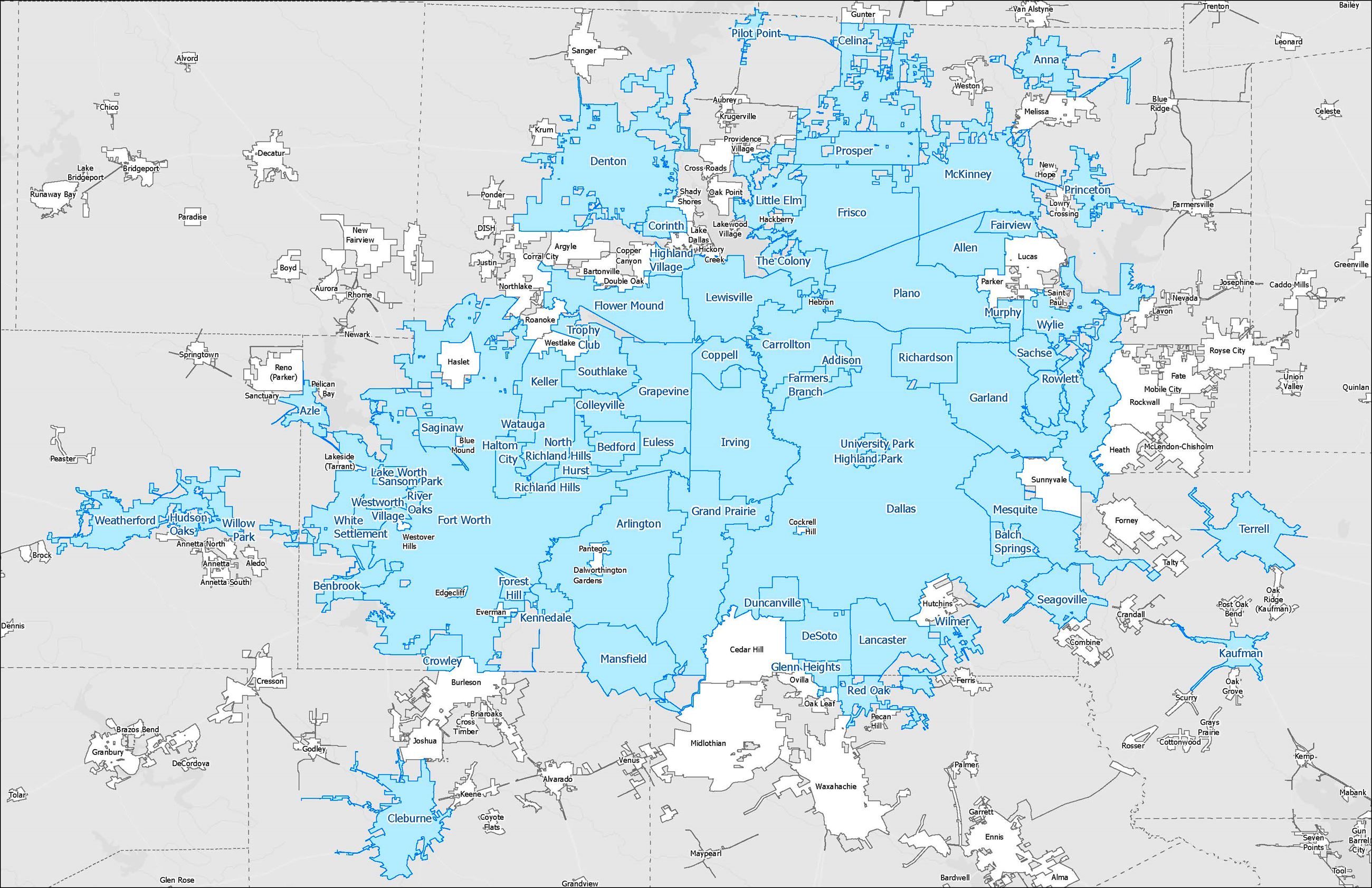
a map of all cities in north Texas that has a stormwater feeCities in North Texas with a Stormwater Utility Fee

Cities that have the fee are highlighted in blue

View All FAQs

Burleson Stormwater Fee Timeline

  • October – November 2025: Public outreach and community education efforts begin, including sharing information with residents, businesses, and key stakeholders.
  • November 10, 2025: Town Hall Meeting hosted by the City to present the proposed stormwater fee, answer community questions, and gather public input.
  • November 12, 2025: Meetings with local school districts to share information and receive feedback on the potential impacts of the fee
  • December 15, 2025: Presentation to City Council summarizing outreach findings and outlining the proposed fee structure and implementation plan.
  • January 2026: If City Council wishes to move forward, a public hearing and first reading of the stormwater utility fee ordinance may be scheduled during this time.
  • February 2026: If the process continues, a second reading and final vote on the ordinance may take place.
  • October 2026: If adopted, the stormwater utility fee would begin appearing on monthly water utility bills.

Please Note:

Public outreach and a presentation to City Council do not guarantee that a stormwater utility fee will be approved or enacted. This timeline simply outlines how the process could move forward if Council chooses to pursue it.

When would the fee begin to be assessed, if passed?

If the City Council adopts the stormwater ordinance in February 2026, the fee would begin appearing on utility bills starting in October 2026.